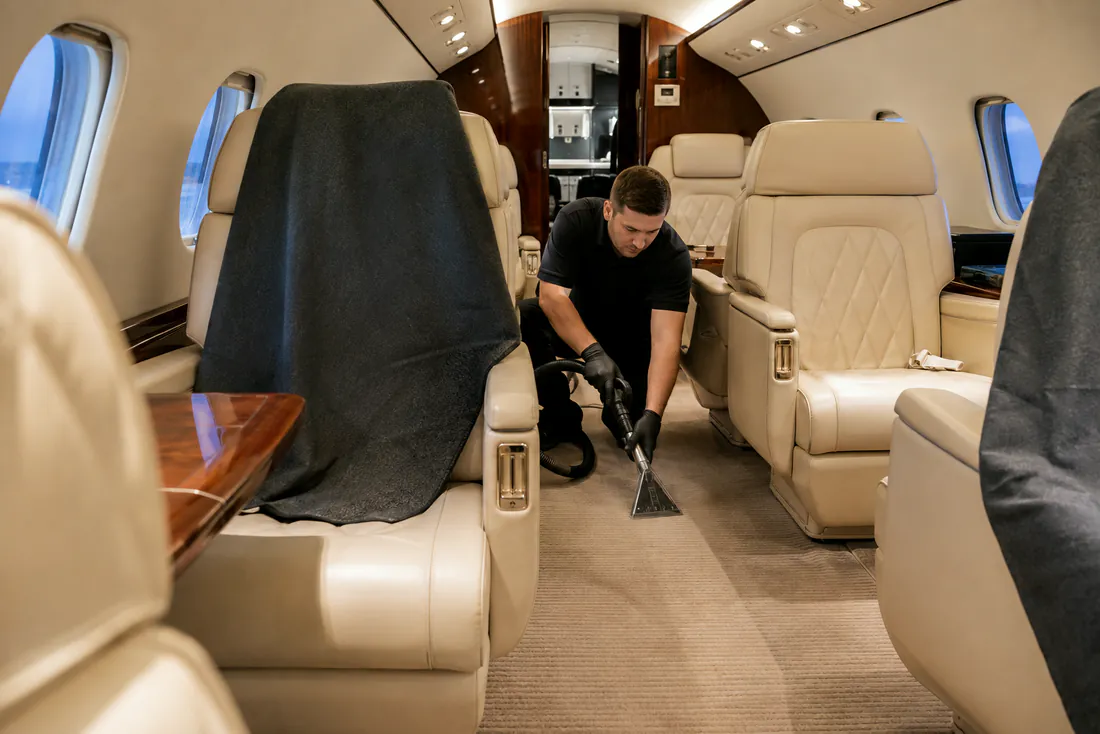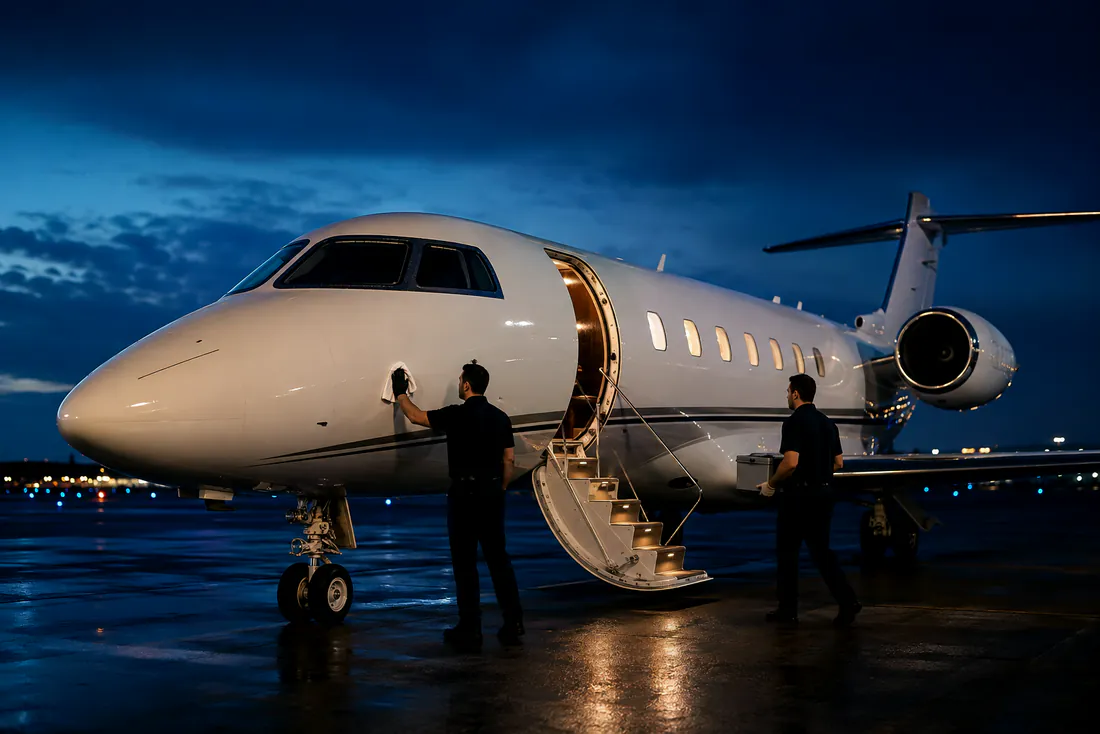

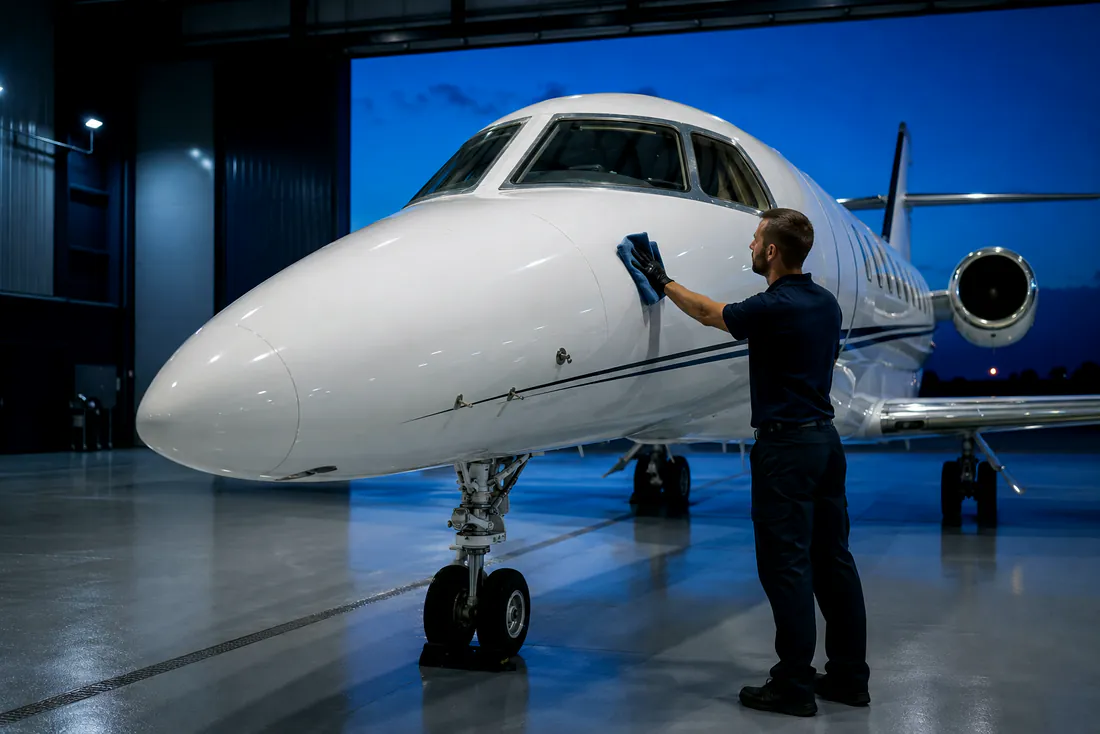
A private jet illuminated on a wet airport ramp at blue hour

Washington · Virginia · Maryland

Flight-ready finish.

Specialist aircraft detailing, restoration and presentation care — planned around your crew, your facility and your next departure.

Dispatch online DCA · IAD · BWI 24/7 request intake
01

Aircraft-safe method before anything else

02

Scope written down before work starts

03

Documented walkaround at handback

Scroll

01The standard

Built for aircraft, not for cars

A certified surface
is not a body panel.

High-value aircraft carry sensitive probes, static ports, bonded seals, composite panels, placards and certified paint systems. Every procedure we use starts from those limits — and stops well short of anything that belongs to maintenance.

Read our operating standard
  1. 01

    Protect the aircraft

    Low-moisture methods and aviation-appropriate products, with sensors, seals, composites and polished metal identified before a single surface is touched.

  2. 02

    Respect the operation

    Facility rules, FBO procedure, crew movement and the actual departure time decide the service window. We plan around your schedule instead of asking you to plan around ours.

  3. 03

    Prove the handback

    A written scope, a structured quality walkaround and a completion record — so the aircraft returns to the line with the work accounted for.

02Care map

Complete aircraft care.
Mapped end to end.

Choose any discipline to see what the work includes, how it protects the aircraft and where appearance care stops.

Discipline 01 / 08

Fuselage & paint

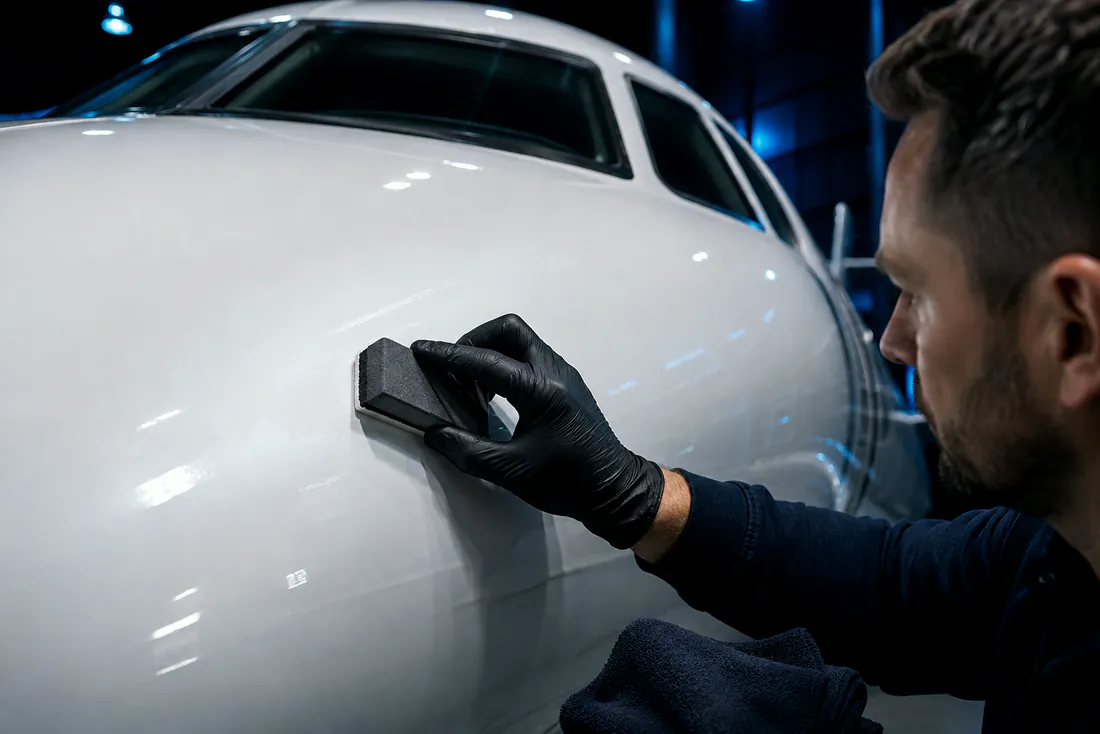
The largest, most-photographed surface on the aircraft. Cleaning method, correction level and protection are chosen from the paint system's age and condition, not from a fixed menu.

  • Low-moisture exterior cleaning around seals and static ports
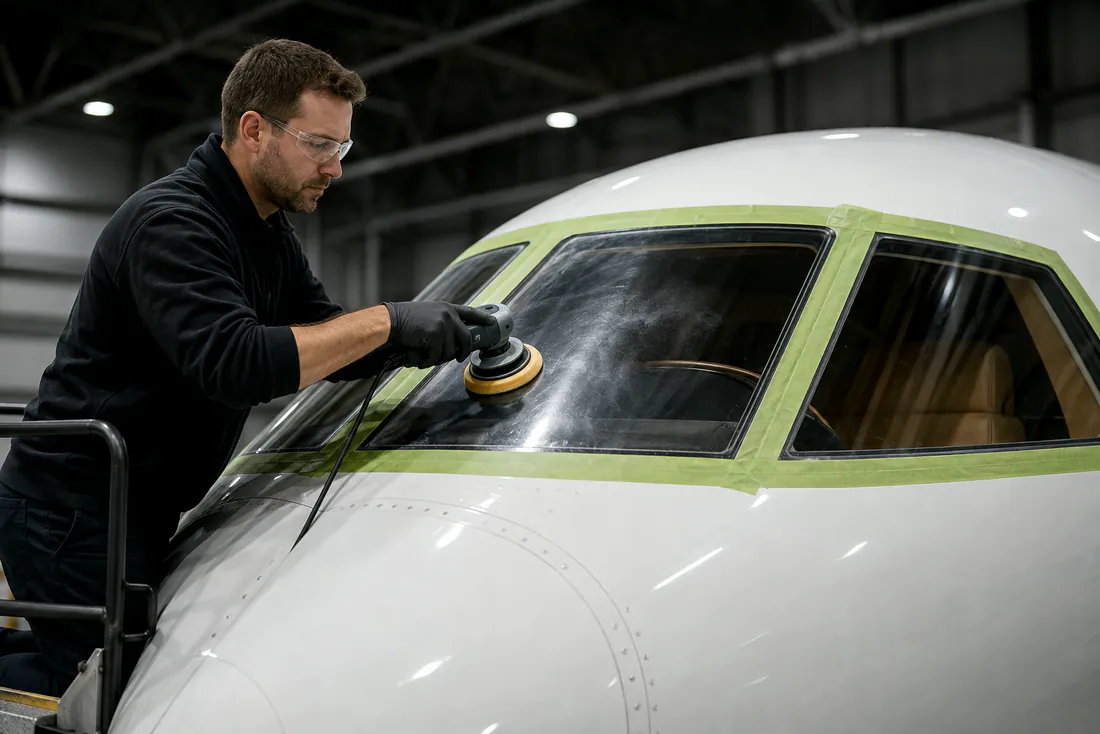
  • Staged gloss correction where the paint film allows
  • Protective coating options discussed before any work begins
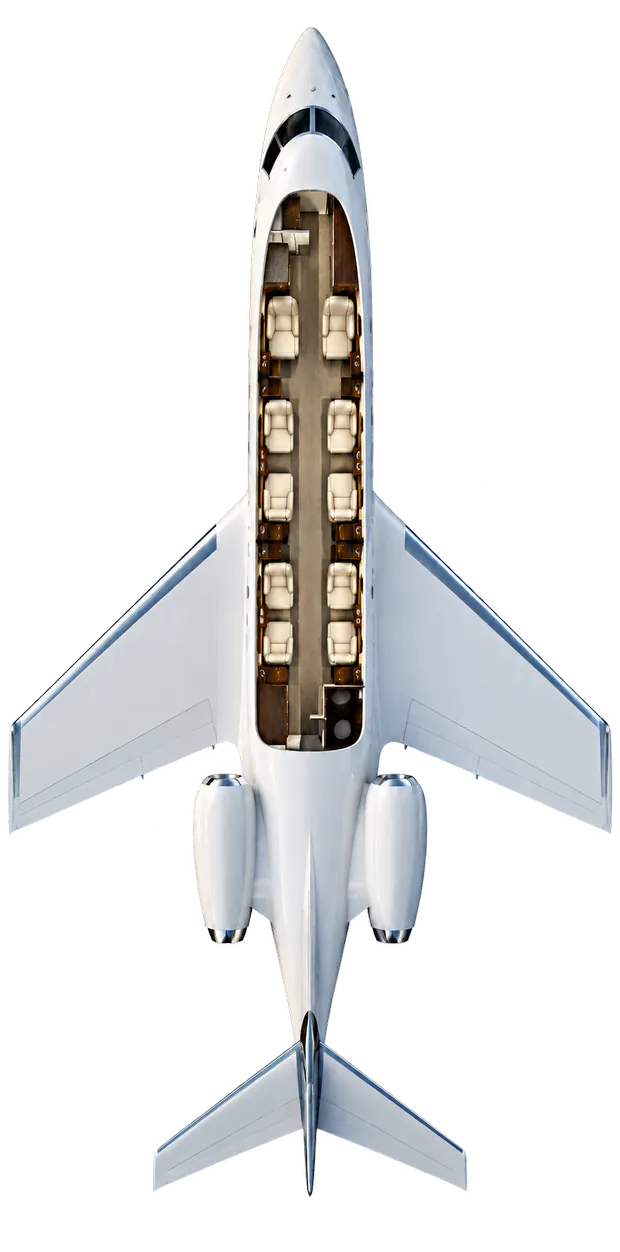
Paint & ceramic protection

Original PAC aircraft visualization. The airframe is generic and the cutaway is illustrative; every scope is confirmed against the specific aircraft before work starts.

05Surface intelligence

Correction, then protection

Recover the gloss.
Then hold it.

Oxidation, wash marring and airborne fallout flatten a paint system long before it is worn out. Staged correction removes what the film can safely give up — and a protective layer is what keeps the result through the next cycle of trips.

  • Paint film assessed before any correction is proposed
  • Correction staged from least aggressive upward
  • Protection selected for the operating environment, not for the invoice
  • Findings recorded and passed back to your team
Illustrative aircraft surface before correction Before
Illustrative aircraft surface after correction After
Illustrative comparison generated from a single PAC reference image. Real results depend on the paint system, its age and its condition.

06Care programs

Built around dispatch,
not around appointments.

Three ways to work with us — a one-time transformation, a planned cadence, or support when the schedule moves under you.

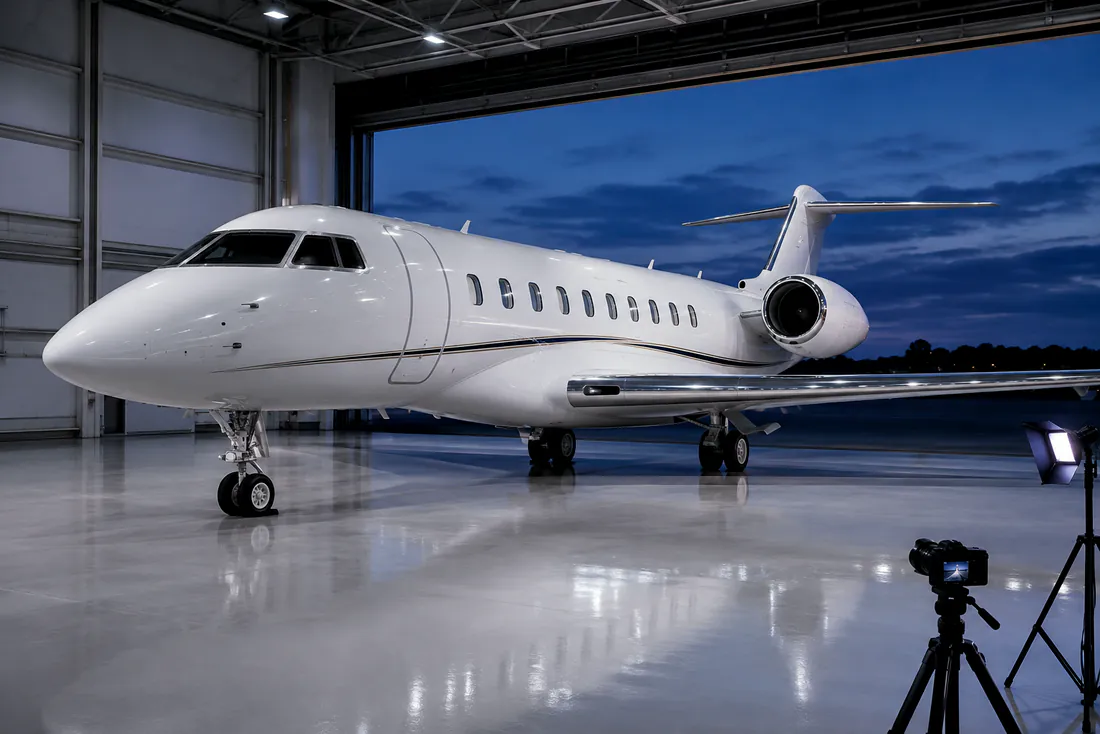
Pristine business jet staged for pre-sale listing photography

01 · Pre-sale

PAC MarketReady

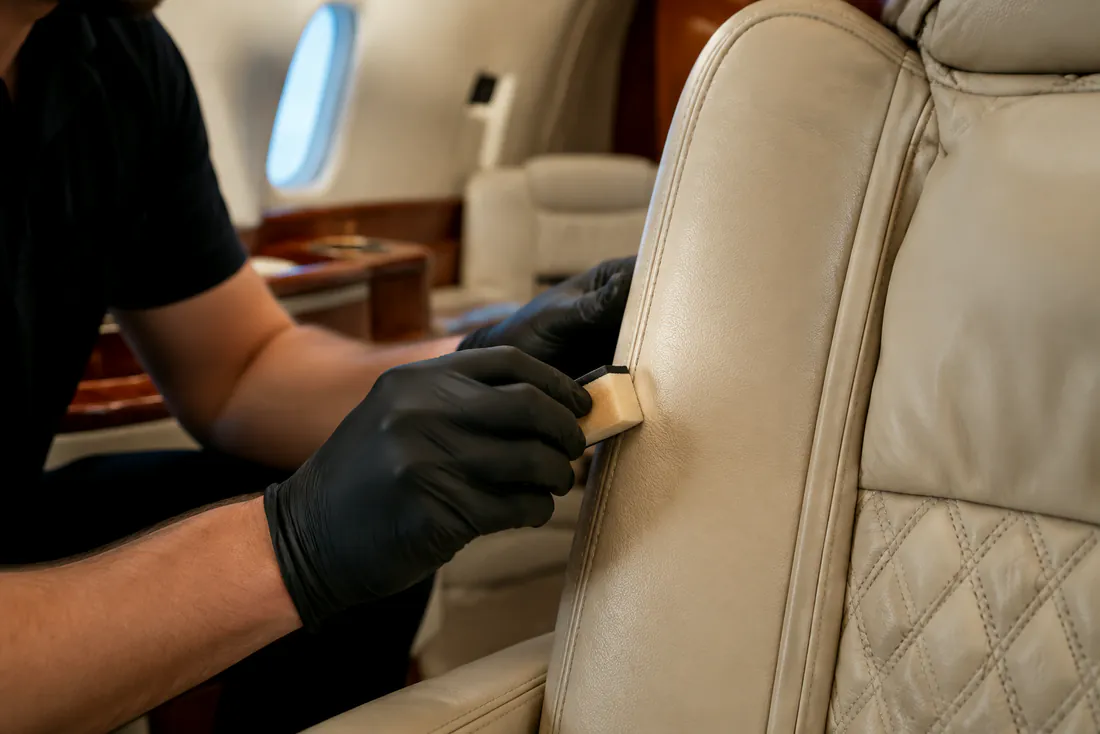
A complete exterior and cabin presentation program staged for listing photography, showings, pre-buy inspection and delivery.

Pre-sale presentation
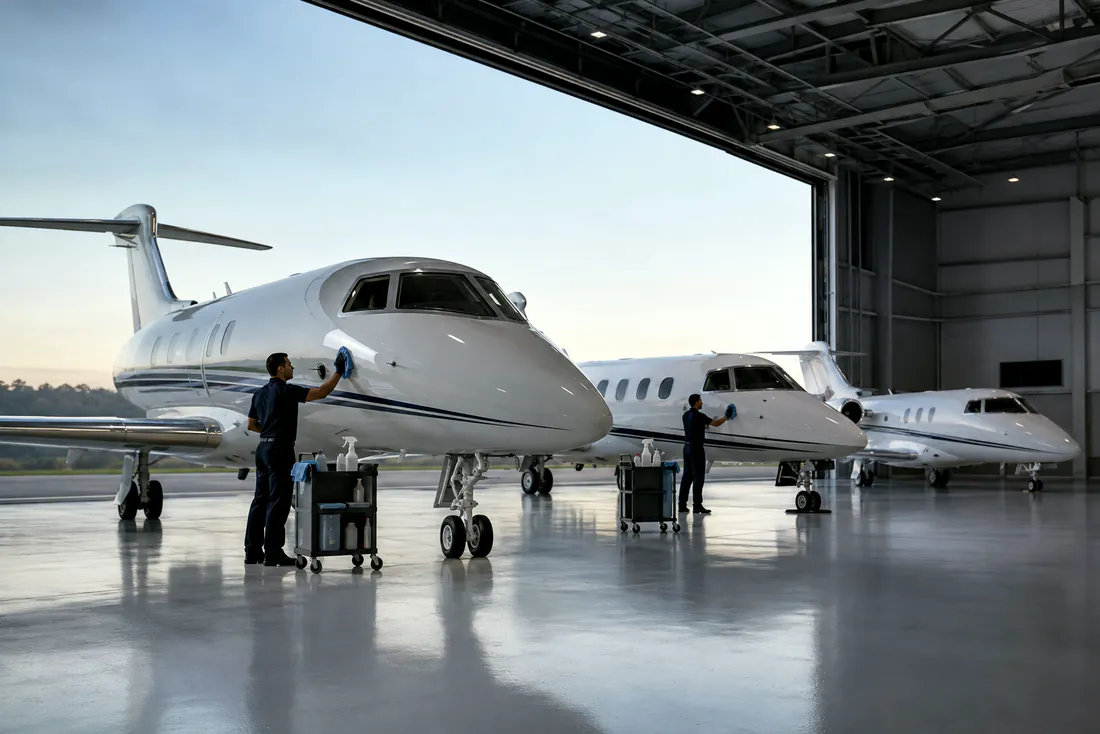
Three business jets receiving coordinated recurring appearance care

02 · Recurring

PAC FleetReady

A planned appearance cadence for flight departments and managed fleets that need the aircraft consistently presentation-ready.

Recurring fleet care
Detailing team completing a rapid aircraft turnaround at dusk

03 · Short window

PAC TurnReady

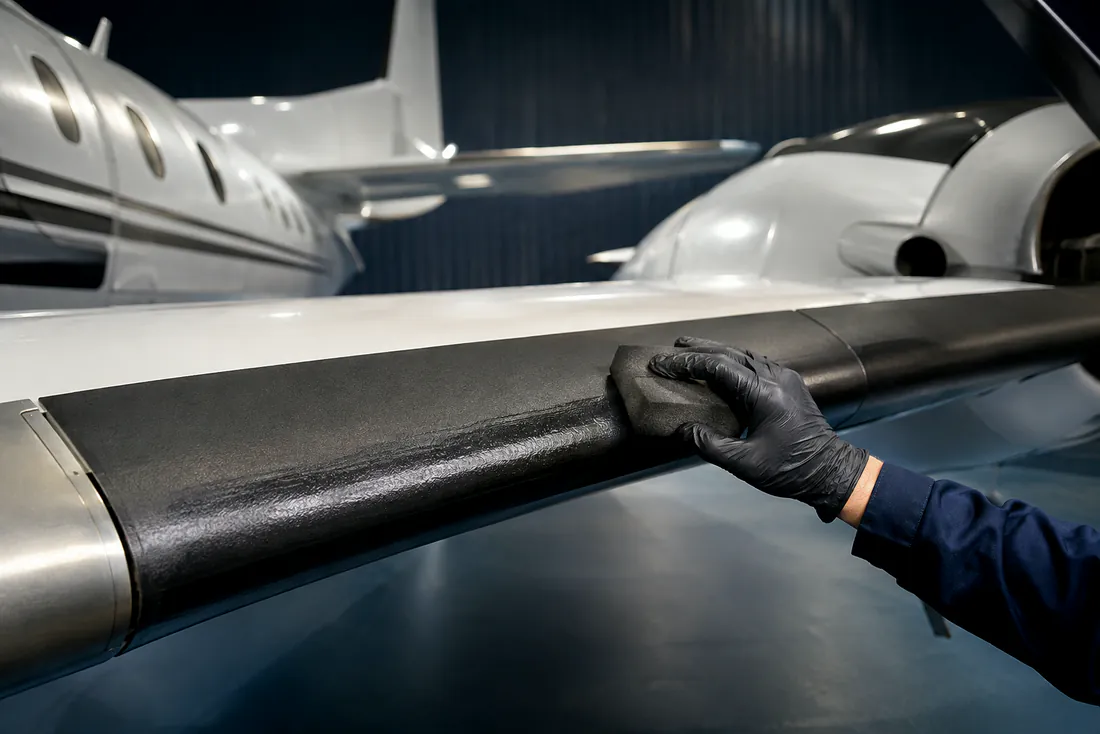
Focused presentation support between trips, prioritised by what the ground time you hold will genuinely allow.

Short-window support

07Aircraft classes

Scoped to the airframe.

Turboprops through large-cabin aircraft. Each class changes the access, the surface area and the realistic service window.

Overhead illustration of a generic twin-engine executive turboprop
Turboprops · illustrated profile

Propeller aircraft bring their own surface problems: exhaust staining behind the nacelles, spinner and blade polish, and boot-heavy leading edges.

  • Exhaust and belly soiling on the aft fuselage
  • Leading-edge de-ice boot appearance
  • Spinner, blade and nacelle brightwork
  • Compact cabins with high-touch wear

Typical scopeExterior wash, boot dressing, brightwork, cabin reset

Aircraft renders are original and generic — not a specific make, model, operator or livery. Scope, access and duration are always confirmed against the actual aircraft.

08Corridor coverage

One request.
Six primary fields.

Mobile teams coordinate service across the Washington corridor, with nearby fields available by arrangement.

Schematic map of the Washington, DC aviation corridor A simplified corridor diagram showing the relative positions of six airports: Leesburg Executive, Washington Dulles, Manassas Regional, Reagan National, Baltimore/Washington International and Martin State.

Primary corridor hub

IAD Washington Dulles International

Dulles, Virginia

Large-cabin and international movements. Service is arranged with the handling FBO or the hangar tenant before the crew arrives.

  • Ramp or hangar by arrangement
  • FBO badging coordinated in advance
  • Suited to full exterior and cabin scopes

09Dispatch status

From request
to handback.

Six steps, visible the whole way through. Select any step to see what happens and what we need from you.

Step 01 / 06

Request received

You send the aircraft, the airport and the window. Nothing else is needed to start.

  • Tail type and current location
  • The ground time you actually hold
  • What the aircraft needs, in your words
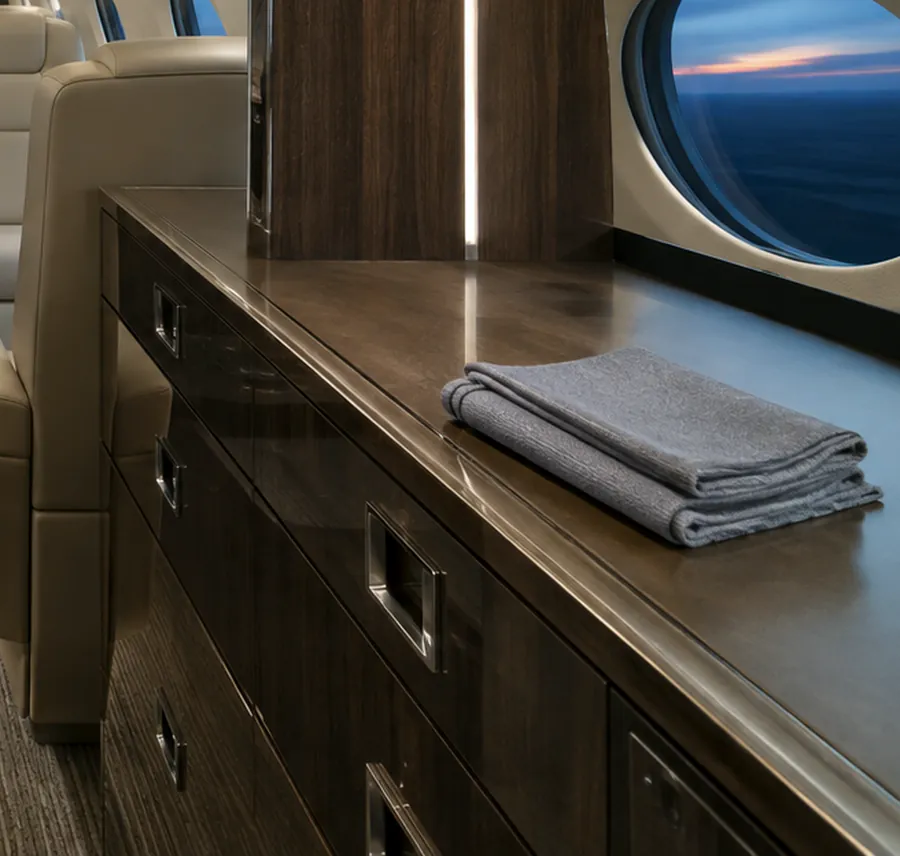
Detail of a polished galley cabinet and service area in a business jet cabin

10Discretion by design

The aircraft should get the attention.
The process should not.

Owners, flight departments and brokers all need the same thing from a vendor on their ramp: quiet, predictable, security-aware people who leave nothing behind but the finish.

  • Scope, access and timing agreed in writing before dispatch
  • Concise, single-channel communication with crew and FBO
  • No client, tail number or aircraft imagery published without written permission
  • Findings reported to you first, never to anyone else
Standards, safety & discretion

11Flight-line answers

Common
questions.

Next step

Tell us the tail, the field and the window.

Send the essentials and a coordinator will come back with scope, access and availability for your aircraft.